Understanding L5-S1 Disc Bulge: Causes, Symptoms, and Recovery
Lower back pain that radiates into the legs is often traced back to a specific problem area in the spine — the L5-S1 disc bulge. This segment, located at the very base of the spine, bears a significant portion of the body's weight and is especially prone to wear and tear. Understanding this condition can help patients recognise symptoms early and seek appropriate care before it progresses.

Where Is the L5-S1 Disc Located?
The L5-S1 disc sits between the fifth lumbar vertebra and the first sacral vertebra, right at the junction where the spine meets the pelvis. Because this area absorbs the most mechanical stress during everyday movements like bending, lifting, and twisting, it is one of the most common sites for disc degeneration and bulging.
Why This Area Is Vulnerable
It supports the majority of the upper body's weight
It has a limited range of blood supply, which slows natural healing
Repetitive bending and lifting accelerate wear on the disc
Recognising the Symptoms
An L5-S1 disc bulge often presents differently depending on how much pressure is being placed on nearby nerve roots. Common signs include:
Lower back pain that may radiate to the buttocks and thighs
Tingling or numbness in the foot, particularly the outer edge
Weakness when trying to push off the foot while walking
Pain that intensifies with sitting, coughing, or sneezing
Diagnostic Process
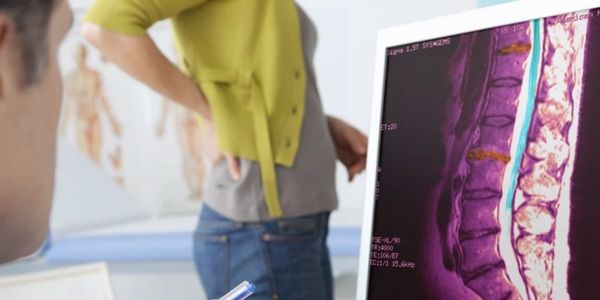
A spine specialist typically confirms an L5-S1 disc bulge through a combination of physical examination and imaging. MRI remains the gold standard, as it clearly shows disc position, nerve compression, and the extent of bulging versus herniation. Research indicates that disc-related changes at the L5-S1 level are present in a significant percentage of adults over 30, even among those without noticeable symptoms — which is why correlating imaging findings with actual symptoms is critical.
Treatment Options
Non-Surgical Care
Most L5-S1 disc bulges respond well to conservative treatment, such as:
Physical therapy focused on core stabilisation
Activity modification to avoid aggravating movements
Short-term use of anti-inflammatory medication
Targeted exercises that decompress the lower spine
Surgical Intervention
Surgery is generally reserved for cases involving significant nerve compression, persistent pain despite months of conservative care, or progressive neurological symptoms. Modern minimally invasive techniques allow for smaller incisions, reduced recovery time, and better long-term outcomes compared to traditional open surgery.
Recovery and Long-Term Management
Recovery timelines vary based on severity, but many patients notice meaningful improvement within six to twelve weeks of consistent conservative treatment. Long-term management includes maintaining a healthy body weight, strengthening core muscles, and practicing correct posture during daily activities to reduce the load on the lower spine.
If symptoms don't improve, patients are often referred to a specialist offering Best Hospital for Slipped Disc in Delhi care, where advanced diagnostic tools and treatment protocols are available under one roof.
Prevention Tips
Practice proper lifting form — bend at the knees, not the waist
Strengthen abdominal and back muscles regularly
Avoid prolonged sitting without breaks
Maintain good posture while working at a desk
Conclusion
An L5-S1 disc bulge can feel alarming, but with timely diagnosis and the right treatment plan, most patients regain full function without needing surgery. For those in the capital seeking dependable spine care, Best Spine Surgeon in Delhi- Dr. Amit Kumar Shridhar provides thorough evaluation.


Comments
Post a Comment