L5-S1 Disc Bulge: Understanding the Most Common Lower Back Injury
The L5-S1 segment sits at the base of the spine, right where the lumbar spine meets the sacrum, and it carries a significant amount of the body's weight during everyday movement. Because of this constant load, it is one of the most frequent sites for disc-related injuries. An L5 S1 disc bulge occurs when the soft cushioning disc between these two vertebrae pushes outward, sometimes pressing on nearby nerve roots and causing pain that radiates into the buttocks and leg.

What Causes an L5-S1 Disc Bulge
This condition often develops gradually due to repetitive strain, poor posture, or age-related wear of the disc's outer layer. Sudden heavy lifting, twisting motions, or long hours of sitting can also accelerate disc degeneration at this level. Since L5-S1 bears more mechanical stress than almost any other spinal segment, even minor structural weakness here can lead to noticeable symptoms.
Common Symptoms to Watch For
Lower back pain that worsens with bending or sitting
Sharp or burning pain radiating down one leg (sciatica)
Tingling or numbness in the foot or toes
Muscle weakness affecting the ability to walk on toes or heels
Pain that eases slightly when lying down
Who Is Most at Risk
Certain factors make an L5-S1 disc bulge more likely to develop. These include a sedentary lifestyle combined with occasional heavy exertion, jobs that involve prolonged sitting or driving, smoking (which reduces blood supply to the disc), and a family history of disc-related problems. Athletes involved in sports requiring repetitive spinal rotation, such as golf or cricket, may also face a slightly higher risk due to the rotational stress placed on this segment.
How It's Diagnosed
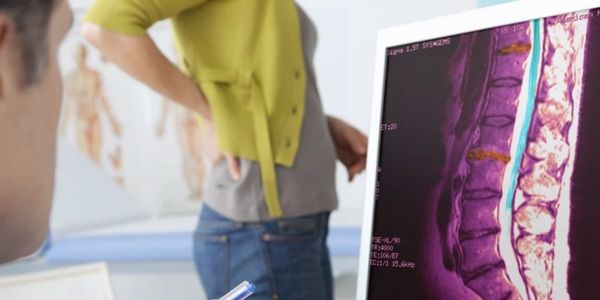
Doctors typically begin with a physical examination to check reflexes, muscle strength, and the specific pattern of pain. An MRI scan is usually the most reliable way to confirm the exact location and severity of the bulge, as it clearly shows soft tissue and nerve involvement that X-rays cannot capture. To understand the exact mechanics behind this condition and treatment pathways, this detailed resource on L5 S1 Disc Bulge explains the anatomy and recovery process in depth.
Non-Surgical Treatment Options
Most disc bulges at this level respond well to conservative treatment when caught early. These options include:
Physiotherapy focused on core stabilisation
Anti-inflammatory medication for short-term pain control
Epidural steroid injections for severe nerve irritation
Activity modification to avoid aggravating movements
When Surgery Becomes Necessary
Surgery is generally considered only when conservative treatment fails after several weeks, or when there are signs of significant nerve compression such as progressive weakness or loss of bladder control, which requires immediate attention. In such cases, a proper evaluation at a facility offering the Best Hospital for Slipped Disc in Delhi becomes important, since accurate diagnosis and minimally invasive surgical options can make a meaningful difference in recovery time and long-term spinal health.
Recovery and Long-Term Outlook
Recovery timelines vary depending on the severity of the bulge and the treatment chosen. Most patients who follow physiotherapy and lifestyle adjustments see gradual improvement over 6 to 12 weeks. Maintaining core strength and practising good posture afterward significantly reduces the chance of recurrence at this vulnerable spinal level.
Preventing Future Flare-Ups
Once symptoms improve, the focus should shift toward preventing a repeat episode, since the L5-S1 segment remains a high-stress area throughout life. Simple habits such as lifting objects with the legs rather than the back, taking movement breaks during desk work, and continuing a light core-strengthening routine can make a substantial difference over months and years. Patients who ignore this preventive stage often find that symptoms return sooner than expected, sometimes with greater intensity.
Conclusion
An L5-S1 disc bulge, while common, should never be dismissed as ordinary back pain, since early and accurate management prevents long-term nerve damage. For proper diagnosis and a tailored treatment plan, patients are encouraged to seek guidance from Best Spine Surgeon in Delhi- Dr. Amit Kumar Shridhar.


Comments
Post a Comment