Top 5 Slip Disc Pain Areas You Shouldn't Ignore
Back pain is often dismissed as a temporary discomfort caused by poor posture or a long day at work. But when the pain follows a specific pattern or radiates to other parts of the body, it may point to a slip disc rather than ordinary muscle fatigue.

Why Pain Location Matters
The spine is divided into regions, and a slip disc in one region produces very different symptoms than in another. Recognising the Top 5 Slip Disc Pain Areas allows patients and doctors to narrow down which spinal segment is affected before even reviewing imaging reports.
The Five Most Common Pain Areas
Lower back (lumbar region) – the most frequently affected area, often linked to lifting or bending injuries
Neck (cervical region) – common in people with long screen-time hours
Buttocks and hips – frequently associated with sciatic nerve compression
Legs and feet – tingling or numbness travelling down one leg
Arms and hands – weakness or a pins-and-needles sensation from cervical disc issues
How Nerve Compression Creates Referred Pain
Pain in the leg from a lower back disc, or pain in the arm from a neck disc, is called referred pain. This happens because the compressed nerve root carries sensation to areas far from the spine itself.
Understanding the Underlying Types
Different Types of Slip Disc produce different pain patterns. A central disc herniation may cause pain on both sides of the body, while a lateral herniation typically affects only one side. This distinction is clinically important, as research indicates that over 90% of lumbar disc herniations occur at the lower two spinal levels (L4-L5 and L5-S1).
A Quick Self-Check
If pain worsens while sitting, coughing, or bending forward, and improves while lying down, it is often a sign of disc-related nerve pressure rather than a muscular strain.
Getting the Right Diagnosis
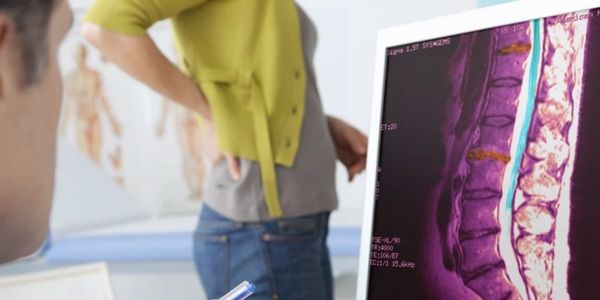
Self-diagnosis is rarely reliable, since several spinal conditions share overlapping symptoms. Consulting the Best Slip Disc Doctor in Delhi allows for a proper physical examination combined with MRI imaging, which remains the gold standard for confirming disc herniation and its exact location.
Practical Tips While Awaiting Consultation
Avoid prolonged sitting in one position
Use a firm mattress and supportive chair
Apply gentle heat or cold packs for temporary relief
Avoid self-medicating with high-dose painkillers
Note down when the pain worsens or improves
Identifying where slip disc pain originates is the first step toward an accurate diagnosis and effective treatment. Patients who track their symptoms carefully often reach a resolution faster than those who wait until the pain becomes severe.
Best Spine Surgeon in Delhi- Dr. Amit Kumar Shridhar helps patients across the city correlate their pain patterns with precise clinical findings.


Comments
Post a Comment