Top 5 Slip Disc Pain Areas You Should Know About
Back pain is something most of us have experienced at some point — but when that pain is caused by a slip disc, it tends to feel very different from regular muscle soreness. The pain is often sharper, more persistent, and can spread to unexpected parts of the body. Knowing the slip disc pain area can help you identify the problem early and seek the right treatment before it gets worse.
Why Does a Slip Disc Cause Pain in Different Areas?
A herniated or slipped disc presses on the nerves running along the spine. Depending on which disc is affected and which nerve it compresses, the pain can travel far from the actual source. This is called referred or radicular pain, and it is one of the most confusing aspects of spinal problems.
According to clinical data, over 90% of lumbar disc herniations occur at the L4–L5 or L5–S1 levels, which explains why so many patients feel pain in their legs rather than just their back.
Top 5 Slip Disc Pain Areas
Here are the most common slip disc pain areas that patients report:
1. Lower Back (Lumbar Region)
The lower back is the most frequently affected area. Pain here is usually dull and constant, worsening when you sit for long periods, sneeze, or cough. A lumbar slip disc at L4–L5 or L5–S1 is the most common diagnosis in adults under 50.
2. Buttocks and Hip Area
Pain that starts in the lower back often radiates into the buttocks and hip. Patients sometimes confuse this with hip joint problems. This type of pain is actually caused by pressure on the sciatic nerve root.
3. Legs and Feet (Sciatica)
One of the classic signs of a lumbar slip disc is sciatica — pain that shoots down one leg, sometimes reaching the foot. It can feel like a burning, electric shock sensation. Top 5 slip disc
pain areas always include this because it affects nearly 40% of patients with lower disc herniations.

4. Neck and Shoulders (Cervical Region)
When a disc herniates in the cervical spine (neck), it causes pain in the neck, shoulders, and upper back. Turning the head may feel limited or painful, and there may be stiffness that worsens in the morning.
5. Arms and Hands
A cervical slip disc can compress the nerves that travel into the arms. This leads to tingling, numbness, or weakness in the hands and fingers — often mistaken for carpal tunnel syndrome.
How Is the Pain Diagnosed?
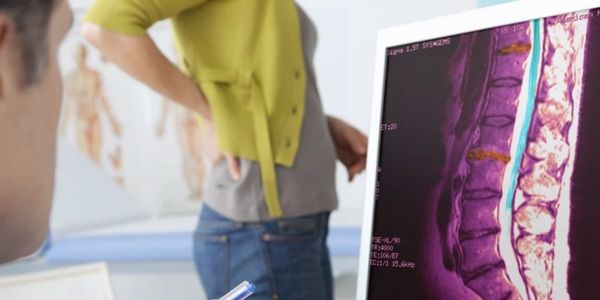
A spine specialist will begin with a physical examination and may order an MRI scan, which is the gold standard for diagnosing slip disc location and severity. Nerve conduction studies (NCS) or EMG may also be recommended if nerve involvement is suspected.
Pain that radiates along a specific nerve path (called dermatomal pain) is a strong clinical indicator of disc herniation.
Managing Slip Disc Pain
Treatment depends on the location and severity:
- Conservative care: Rest, physiotherapy, anti-inflammatory medication
- Epidural steroid injections: For moderate nerve-related pain
- Surgery: Microdiscectomy or endoscopic disc surgery for severe, non-responsive cases
Most patients — around 80–90% — respond well to non-surgical treatment within 6 to 12 weeks.
Conclusion
Pain from a slip disc does not always stay in one place, which is why understanding the top 5 pain areas is essential for early diagnosis. For accurate evaluation and effective treatment, Best Spine Doctor in Delhi - Amit Shridhar (View on Map) provides comprehensive spine care tailored to each patient's condition.


Comments
Post a Comment