Living With Sciatica: Causes, Symptoms, and Effective Relief Methods

Sciatica is one of the most common causes of leg and lower
back pain worldwide. Despite how widespread it is, many people misunderstand
what sciatica really is, how it progresses, and what can be done about it. This
article breaks down the key facts — from early symptoms to advanced stages — so
you can make informed decisions about your health.
Why Does Sciatica Happen?
The sciatic nerve runs from the lumbar spine (lower back) all
the way down both legs. When something puts pressure on this nerve — such as a
herniated disc, a bone spur, or a narrowed spinal canal (stenosis) — it
triggers the classic symptoms of sciatica.
Common risk factors include a sedentary lifestyle, heavy
lifting with poor posture, obesity, diabetes, and prolonged sitting, especially
for professionals who spend long hours at a desk. In India, sciatica is
increasingly common among young adults due to changing work habits and limited
physical activity.
Recognising the Symptoms Early
Early recognition is key to preventing sciatica from
progressing to more severe stages. The most common symptoms include:
•
Sharp or burning pain starting in the lower back and
radiating down one leg
•
Numbness or tingling in the leg, calf, or foot
•
Muscle weakness in the affected leg
•
Pain that worsens when sitting, coughing, or sneezing
•
Difficulty moving the foot or toes
If you notice any of these symptoms lasting more than two
weeks, it is important to get a proper diagnosis from a qualified spine
specialist.
Understanding the Last Stages of Sciatica
As sciatica progresses, the intensity and nature of symptoms
change considerably. In the last stages of sciatica, patients often report
constant, severe pain that doesn't ease with rest. Nerve damage becomes more
pronounced, causing significant muscle weakness and, in some cases, loss of
sensation in the leg or foot. At this stage, treatment options need to be more
targeted and aggressive.
Research shows that patients who delay treatment beyond 3
months are more likely to require surgical intervention compared to those who
seek early care. This makes timely diagnosis and treatment absolutely critical.
What Are the 4 Stages of Sciatica?
Medical professionals broadly classify sciatica into four
stages based on symptom severity:
•
Stage 1 – Acute Phase: Sudden onset of pain, usually
after an injury or strain
•
Stage 2 – Sub-Acute Phase: Pain becomes more
consistent; everyday activities are affected
•
Stage 3 – Chronic Phase: Pain has persisted for more
than 12 weeks; lifestyle significantly impacted
•
Stage 4 – Severe/Degenerative Phase: Nerve damage is
evident; surgical evaluation is typically needed
Knowing which stage you are in helps your doctor recommend the
most appropriate treatment plan.
Finding the Best Doctor for Sciatica Pain Treatment in Delhi
Getting the right diagnosis and treatment from the Best Doctor for Sciatica Pain Treatment in Delhi
involves more than just pain relief — it requires a thorough evaluation of your
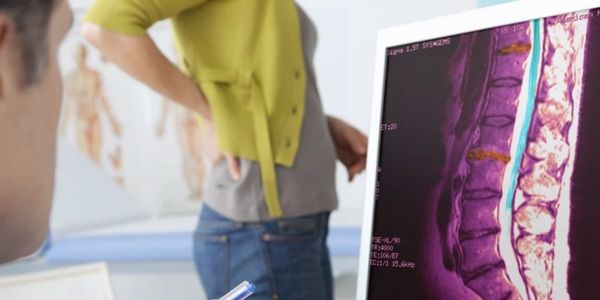
spine, nerve function, and overall health. A skilled spine surgeon will use MRI
or CT scans to determine the exact cause of nerve compression and recommend a
treatment plan accordingly.
Treatment Approaches
•
Physiotherapy tailored to spine rehabilitation
•
Medications including NSAIDs and nerve-stabilising
drugs
•
Minimally invasive procedures such as nerve blocks
•
Surgery as a last resort for advanced, non-responsive
cases
Does Massage Help Sciatica?
Yes — when done correctly, Sciatica Massage can provide meaningful relief
by relaxing the muscles surrounding the sciatic nerve, improving blood
circulation, and reducing inflammation. Techniques such as deep tissue massage,
trigger point release, and piriformis stretching are particularly effective for
sciatic pain.
It is important to work with a trained therapist who
understands spinal conditions. Improper massage can aggravate the condition.
Conclusion
Sciatica does not have to control your life. With the right
diagnosis, treatment, and expert guidance, recovery is absolutely possible at
any stage. Best Spine Surgeon in Delhi – Dr. Amit Kumar Shridhar
provides comprehensive, evidence-based care for sciatica patients, from
conservative management to advanced surgical solutions.


Comments
Post a Comment