10 Sleeping Positions for Sciatica That Actually Work — A Clinical Guide
 |
| 10 sleeping position for sciatica |
If your
sciatica pain spikes every morning, your sleep position is very likely making
it worse. The sciatic nerve is sensitive to sustained pressure, and spending
6–8 hours in the wrong position inflames the nerve root and resets your pain
cycle overnight. Here are 10 sleeping positions for sciatica, ranked by
clinical effectiveness, so you can finally wake up with less pain.
Why Your Sleep Position Directly Affects Sciatica
During sleep,
the lumbar spine either decompresses or stays under pressure depending on how
your body weight is distributed. A study in Clinical Biomechanics confirmed
that spinal posture during sleep significantly influences disc pressure and
morning pain levels in lumbar disc herniation patients — the most common cause
of sciatica. The goal is to keep the lumbar spine in neutral alignment so the
intervertebral foramen (the opening where the nerve exits) stays as wide as
possible.
The 10 Best Sleeping Positions for Sciatica Pain Relief
1. Side-Lying with Pillow Between the Knees
The most
clinically recommended position for sciatica. Sleeping on your non-painful side
with a firm pillow between your knees prevents hip drop, maintains spinal
alignment, and reduces pressure on the affected nerve root.
2. Foetal Position (Gentle Curl)
A gentle foetal
curl slightly widens the intervertebral foramen, giving the compressed nerve
root a little more room. Avoid pulling your knees too tightly toward your
chest, as this can strain the lumbar ligaments.
3. Back-Lying with Pillow Under the Knees
Lying on your back with a pillow under your knees flattens the lumbar lordosis and reduces disc pressure. This is one of the 10 best sleeping positions for sciatica pain relief because it distributes body weight evenly and decompresses the nerve root throughout the night.
4. Reclined Position
For patients
with isthmic spondylolisthesis (vertebral slip), sleeping at a slight recline
reduces forward vertebral movement and eases sciatic nerve compression. An
adjustable bed or a wedge pillow achieves this effectively.
5. Side-Lying with Torso Slightly Forward
Tilting your
torso marginally forward while side-sleeping (supported by a body pillow) opens
the facet joints and relieves nerve root compression caused by spinal stenosis.
Many patients with lumbar stenosis-related sciatica find significant relief
with this variation.
6. Supported Child's Pose
Kneeling with
your torso resting forward on stacked pillows gently stretches the piriformis
and lower lumbar muscles — reducing the soft tissue tension that compresses the
sciatic nerve peripherally.
7. Semi-Prone Position
Lying at
roughly 45 degrees with one arm extended forward and the opposite knee bent
reduces direct disc pressure. This position suits patients who cannot tolerate
either full prone or full supine sleeping.
8. Supine with Legs Elevated
Raising both
legs to 90 degrees using pillows or a wedge decompresses the lumbar spine and
is particularly effective for piriformis syndrome-related sciatica. It also
improves venous return, which reduces inflammatory swelling around the nerve.
9. Modified Starfish
Lying on your
back with arms gently out and legs hip-width apart prevents spinal rotation
during sleep. Placing a rolled towel under the lumbar curve fills the natural
arch and provides additional lower back support.
10. Side-Lying with Lumbar Roll
Side-sleeping
with a small rolled towel placed at the waist fills the gap between the
mattress and the lumbar curve. This prevents the spine from bending laterally
overnight — an underrated cause of morning sciatica flare-ups. Discuss your
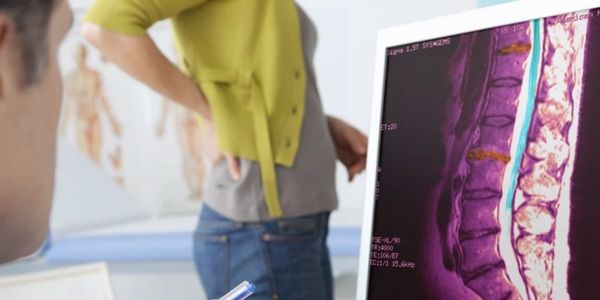
optimal position with a Best Back Pain Doctor in Delhi based on your MRI findings.
Positions to Avoid
•
Stomach sleeping: forces
lumbar extension and neck rotation — both harmful to sciatica
•
Crossing your legs while
side-sleeping: rotates the pelvis and stretches the piriformis unevenly
•
Sleeping on a very soft
mattress: allows the spine to sag out of neutral alignment
Conclusion
Sleep is one of
the body's most powerful healing tools — but only when the spine is properly
supported. Dr. Amit Shridhar — Best Spine Surgeon in Delhi — integrates
postural and sleep optimisation guidance into every patient's sciatica
treatment plan, ensuring recovery continues even overnight.


Comments
Post a Comment