Neck Stiffness Every Morning? What Your Body Is Trying to Tell You
Waking up with a stiff, aching neck is one of the most common morning complaints among working adults in India. Most people assume it is a sleeping position problem and move on. Sometimes they are right. But persistent morning neck stiffness — particularly when it is accompanied by other symptoms — can signal something that deserves proper attention rather than continued dismissal.

Understanding what different patterns of morning neck stiffness indicate helps patients make the right decision about when to simply adjust their pillow and when to see a spine specialist.
What Morning Neck Stiffness Usually Means
The most common cause of morning neck stiffness is sustained posture during sleep — particularly sleeping with the neck in flexion or rotation. This causes sustained muscle tension and joint compression overnight, producing the familiar stiffness that gradually eases as movement and warmth loosen the cervical tissues during the first hour of the day.
However, there is an important distinction between mechanical morning stiffness — which improves relatively quickly with movement — and inflammatory morning stiffness, which takes 30 minutes or more to resolve and is associated with conditions like ankylosing spondylitis or rheumatoid arthritis. If morning neck stiffness takes more than 30-45 minutes to resolve and is accompanied by fatigue, it should be investigated rather than attributed to sleeping position alone.
When to Stop Ignoring Your Neck Pain
Certain symptoms alongside morning neck stiffness should prompt specialist evaluation rather than continued home management:
- Neck stiffness accompanied by arm pain, numbness, or weakness
- Stiffness that has been gradually worsening over weeks or months
- Morning stiffness lasting more than 30 minutes consistently
- Any history of TB or inflammatory conditions alongside neck symptoms
- Headaches that originate from the back of the neck
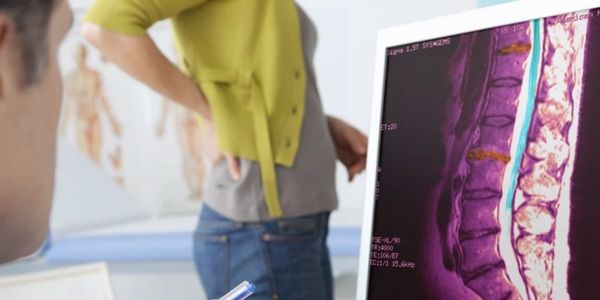
Consulting the best cervical doctor in Delhi provides the clinical examination and imaging review needed to differentiate between these causes — determining whether the problem is muscular, discogenic, inflammatory, or neurological before any specific treatment is recommended.
Complementary Approaches for Cervical Pain Relief
Beyond specialist medical care, several complementary approaches help manage cervical pain effectively during the assessment period. Acupressure — applying firm pressure to specific body points — has evidence for reducing nerve irritation and muscle tension. The same principles that make top 10 acupressure points for sciatica relief effective for lower back nerve pain apply to cervical nerve irritation — particularly points along the Gallbladder and Bladder meridians.
For patients with both cervical and lower back symptoms — which frequently coexist — understanding L5 S1 disc bulge alongside cervical evaluation ensures a complete picture of spinal health rather than treating one region in isolation.
Conclusion
Morning neck stiffness is your spine's way of communicating — and persistent or worsening stiffness with additional symptoms deserves a specialist response rather than continued self-management. Dr. Amit Shridhar- Best Spine Surgeon in Delhi provides comprehensive cervical spine evaluation and personalised treatment across Delhi NCR for all stages and causes of cervical pain.


Comments
Post a Comment